A6 Safety Improvements and the Sensors in Your Car
The A6 Burton Latimer junction upgrade is finished. Here's what changed, plus a plain-English look at how ADAS sensors and calibration keep cars safe.
The A6 junction improvements at Burton Latimer are now finished, and if you drive that stretch regularly you'll have noticed the difference already. It's a good moment to look at the road changes themselves, and at how the safety sensors fitted to most modern cars work alongside better infrastructure like this.
What's changed on the A6 at Burton Latimer
North Northamptonshire Council, working with Kier, completed a project designed to improve pedestrian and traffic safety at a busy junction on the A6 in Burton Latimer, delivered through the government's Safer Roads Fund. The work included controlled pedestrian facilities with accessible dropped kerbs, pedestrian guard rails and tactile paving, resurfaced footways and carriageway, a new signalised junction, improved drainage, enhanced street lighting, and a 50mph speed limit to calm traffic. Verges were also regraded and landscaped as part of the finishing works.
Councillor Chris McGiffen, the council's Executive Member for Highways and Travel, said the works demonstrate the council's ongoing commitment to improving road safety, while reminding motorists to drive safely and in line with weather conditions. Good infrastructure helps, but it doesn't remove the need for careful driving.
Where your car's own sensors fit in
New junctions, signals and speed limits change what's on the road ahead — and that's exactly the kind of information your car's driver assistance systems are constantly reading. Radar units behind the front bumper, and cameras mounted near the windscreen, help features like automatic emergency braking, lane-keeping assist and adaptive cruise control judge distance, speed and lane markings.
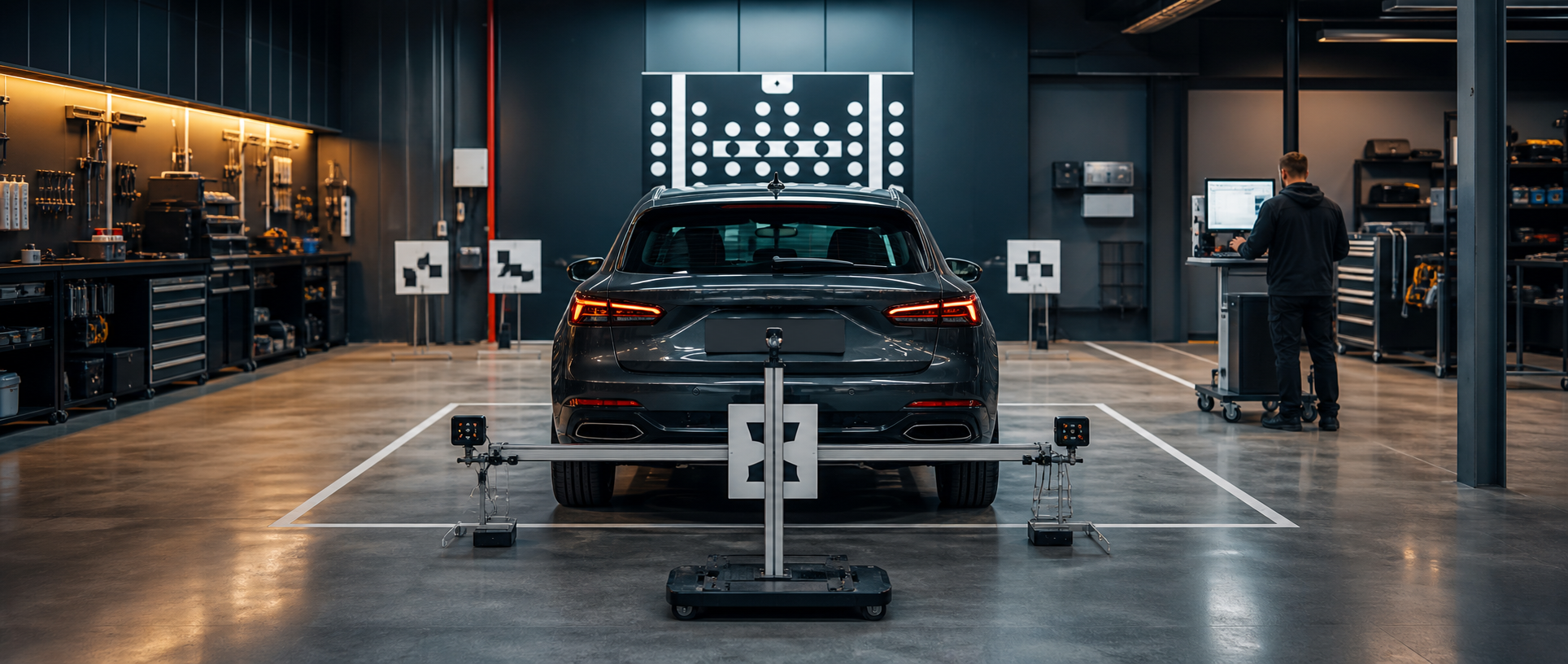
These systems, known collectively as ADAS (Advanced Driver Assistance Systems), rely on components being aimed with real precision. A knock to the bumper, a windscreen replacement, or even a change in ride height can throw a camera or radar's alignment out slightly — enough to affect how it reads the road.
When calibration might be worth checking
Not every repair needs recalibration; it depends on the vehicle, the system, and the work carried out. But if you've had bodywork repaired, a new windscreen fitted, or you've noticed warning lights or odd behaviour from lane assist or cruise control, it's worth having the system checked rather than guessing.
At Central Autopoint in Corby, we carry out ADAS camera and radar calibration alongside our usual servicing, brake work and MOT testing for cars and vans. If you're unsure whether recent work on your vehicle affects its sensors, give us a call on 01536 261619 or drop by at 34 Maylan Road — we're happy to take a look and explain what, if anything, needs doing.
Prepared as locally relevant editorial content for human review before publication on the garage website.